Minister’s Letter – 23 July 2026
Dear Brothers and sisters, as part of my theological studies, I’ve been reflecting on a question that sits close to my heart: What does it actually mean to be human? In particular, I’ve been thinking about what Scripture says about people with disabilities.
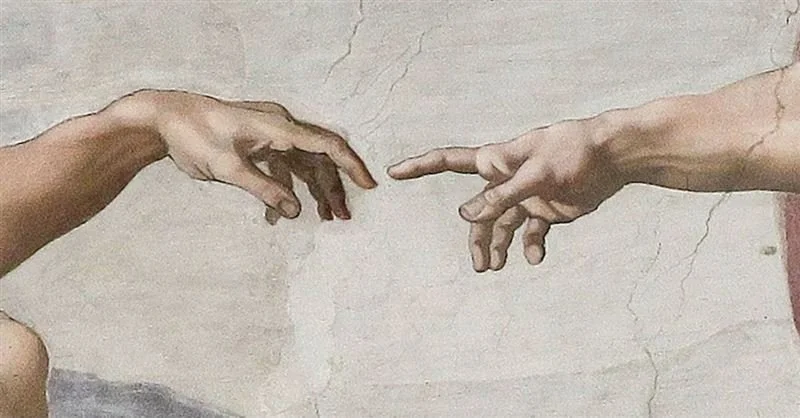
A foundational place to start is the "Image of God" in Genesis 1:27
So God created mankind in his own image,
in the image of God he created them;
male and female he created them.
But what does this term actually mean? As I have wrestled with it, here are three things I have found helpful.
(1) The image of God is not merely intellect.
Some argue that our intellect is what separates us from animals. But Genesis doesn't say "in the image of God he created their minds." Scripture has the whole person in view. Reducing humanity to walking brains has devastating implications for those with intellectual disabilities.
(2) The image of God is not merely function.
Others argue the image is strictly defined by our role or capacity to rule over creation (Gen 1:26, 28). But if being in God's image depends on our functional ability, what about those whose bodies or minds limit what they can "do"? Genesis 9:6 reminds us that every human inherently retains God's image, regardless of capacity.
(3) The image of God is both static and dynamic.
I have been convinced that the image of God is both intrinsic to who we are (static) and properly expressed in our role (dynamic).
Intrinsic: We are all created in God’s Image. The image of God is intrinsic to all humans everywhere. Note the similar language in Genesis 5. Seth is born in the image and likeness of his father; he is a son of Adam. Adam himself is a “son of God” (Luke 3:38). Put simply, to be human is to have human parents who can all claim God as their true father (Acts 17:28).
Expressed: True humanity involves expressing the image of God. The expectation is that we imitate our heavenly Father. But sadly, because of our sin, we all fail to express the image of God perfectly. We are like a broken mirror, reflecting a distorted view of our creator.
Praise God for sending the perfect Son of God, Jesus Christ, to show us what it means to be human. He is the only man who perfectly expresses the image of God as he righteously rules over all creation. And Scripture says that we are being conformed to His image (Rom 8:29).
One aspect of conforming to Christ’s image is how we treat people with disabilities. Look at Jesus’ example: He paused his widely popular teaching series to heal and love a paralytic (Mark 2). He consistently showed compassion for the blind, deaf and lame. And he tells us that “whatever we do for the least of these” we do for him (Matt 25:40).
My prayer for our church is that we might be known as a community of those who love all people, especially those with disabilities.
Warmly in Christ,
Ben Vanmidde
Student Minister